Economic Indicators and Their Impact on Betting Volumes in Britain
Written by Felix Hansen · Oct 17, 2026
Economic Indicators and Their Impact on Betting Volumes in Britain
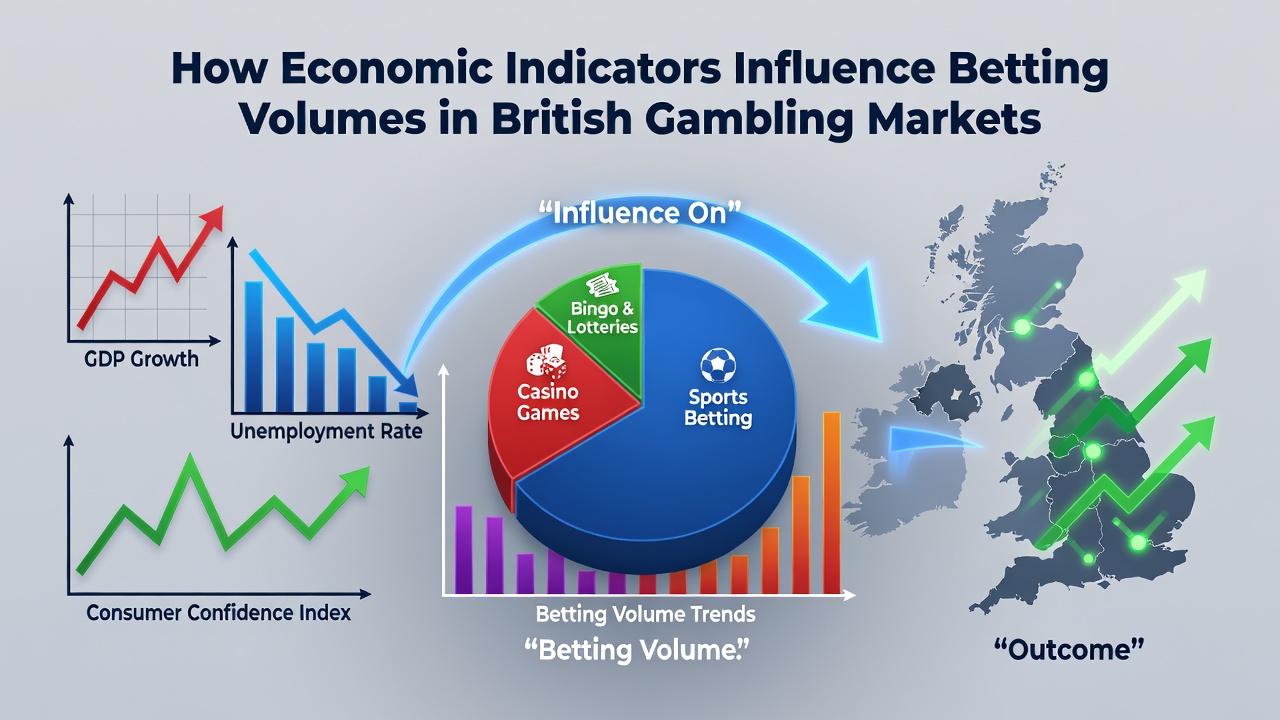
Researchers tracking British gambling markets have documented clear connections between major economic indicators and shifts in betting volumes over multiple years, and these patterns continue to emerge in data through October 2026. Economic signals such as gross domestic product growth, unemployment figures, inflation rates, and interest rate adjustments all correlate with changes in how much money flows through licensed betting operators across the UK. Observers note that these relationships appear in both online platforms and traditional betting shops, though the strength of the links varies depending on the specific indicator and the broader economic climate at the time.
GDP Growth and Consumer Spending Patterns
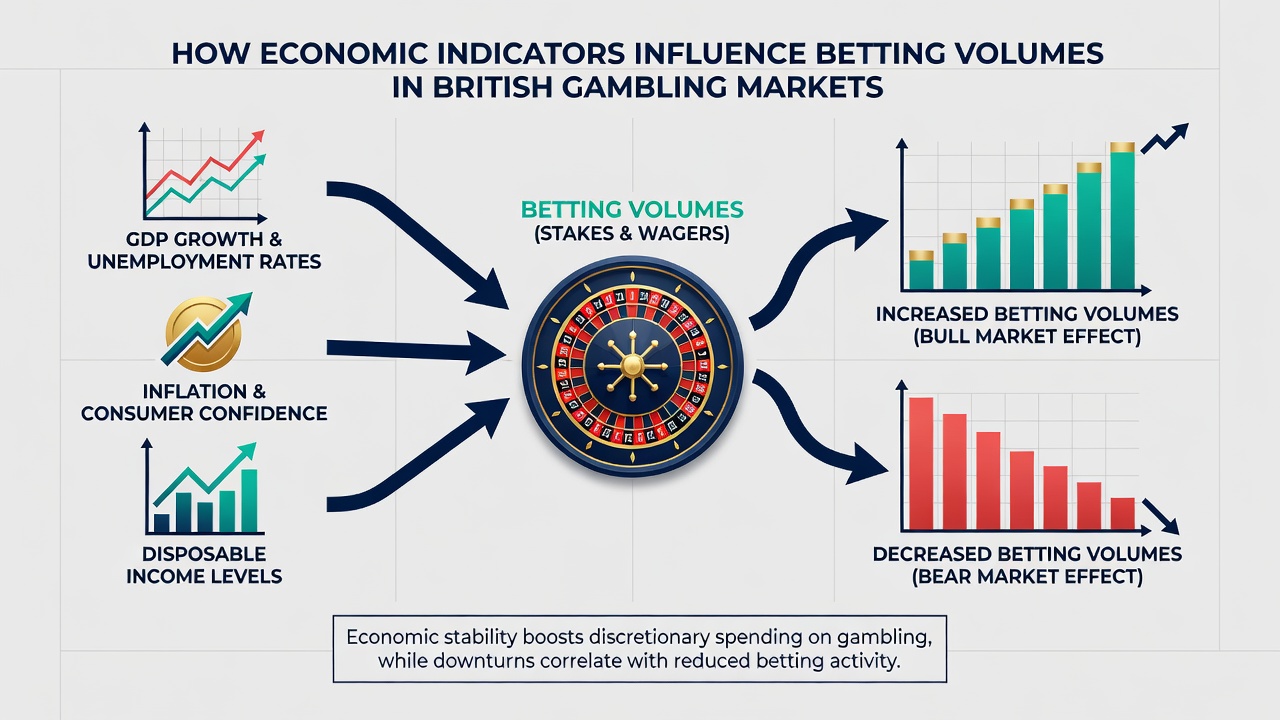
Data shows that periods of steady GDP expansion often coincide with increased betting activity because higher overall economic output tends to support greater disposable income among households. When the economy expands, people allocate portions of their earnings toward leisure activities including sports betting and casino games. Studies from institutions like the OECD have tracked similar trends across developed markets, revealing that a one percent rise in GDP frequently aligns with measurable upticks in gambling expenditure within six to nine months. Yet during contractions, volumes typically contract as households prioritize essential spending over discretionary wagers.
Unemployment Rates and Risk Tolerance
Unemployment statistics provide another lens into betting behavior because joblessness directly affects household finances and psychological factors around risk. Higher unemployment figures often lead to reduced betting volumes overall since fewer people hold steady paychecks, but some data sets indicate spikes in smaller-stake bets among those still employed who seek potential returns. Figures from the Australian Bureau of Statistics, which monitors comparable labor market dynamics in another major gambling jurisdiction, demonstrate parallel movements where rising jobless claims correspond with cautious wagering patterns across multiple sectors. British market reports echo these observations without identical regulatory frameworks.
Inflation, Interest Rates, and Disposable Income
Inflation pressures erode purchasing power and frequently prompt bettors to scale back activity or shift toward lower-cost options such as accumulator bets with smaller initial stakes. Central bank decisions on interest rates amplify these effects because higher rates increase borrowing costs and encourage saving over spending. Research from the Federal Reserve Bank of St. Louis has examined how interest rate cycles influence consumer discretionary outlays in various economies, and analysts apply those frameworks to British data where similar dynamics appear. When rates rise sharply, betting volumes often soften within one to two quarters as households adjust budgets accordingly.
Stock Market Performance and Sentiment Effects
Equity market movements also register in betting data because stock performance shapes broader economic sentiment and perceived wealth levels. Bull markets tend to support higher betting volumes as investors feel more financially secure, whereas sharp corrections can trigger immediate pullbacks in wager sizes. University-led studies, including work from Canadian institutions examining cross-border financial and leisure correlations, have identified these sentiment-driven patterns in multiple jurisdictions. British operators report comparable responses during major index fluctuations, particularly around events like quarterly earnings seasons or geopolitical developments that move global markets.
Regional Variations Across Britain
Regional economic differences within Britain produce uneven impacts on local betting volumes, with stronger effects visible in areas experiencing concentrated job losses or rapid housing price shifts. Northern regions sometimes show quicker volume adjustments to national indicators compared with London and the Southeast, where diversified employment bases buffer some economic swings. Government statistical agencies in various countries have published granular regional data sets that allow similar comparisons, and British patterns align with these international examples when examined over extended time frames.
October 2026 Data Releases and Current Trends
October 2026 brought new economic releases that market participants continue to analyze for their potential influence on year-end betting activity. Early figures indicated modest GDP stabilization alongside persistent inflation concerns, and operators noted corresponding steadiness in certain betting categories while others showed slight softening. These developments fit within longer historical sequences where economic indicators have served as reliable leading signals for volume changes rather than isolated anomalies.
Conclusion
Economic indicators function as measurable drivers of betting volumes in British gambling markets through their effects on income, sentiment, and spending priorities. Data from multiple sources across different regions consistently illustrates these relationships, and ongoing monitoring through late 2026 shows the patterns persisting. Observers continue to examine how future releases on employment, inflation, and growth will align with betting trends in the months ahead.