Regulatory Adjustments Reshaping Bonus Claim Behaviors at Licensed British Gambling Firms
Written by Uma Carter · Aug 22, 2026
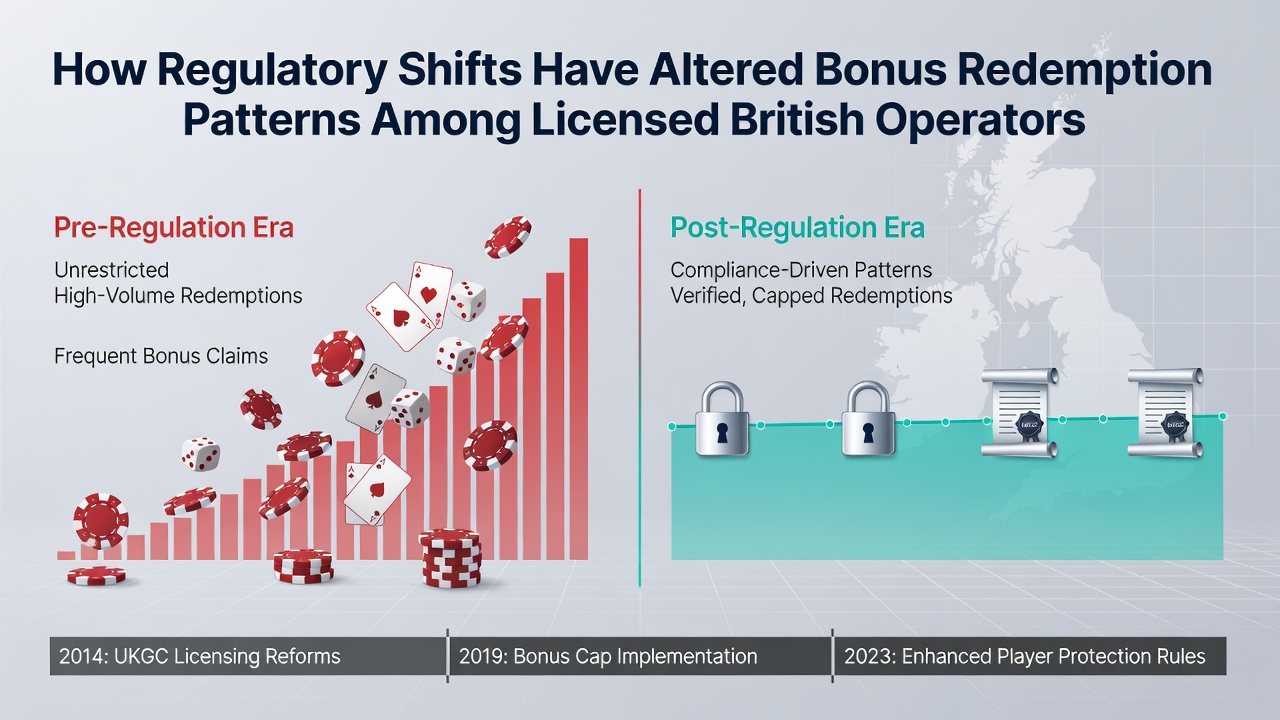
Regulatory Adjustments Reshaping Bonus Claim Behaviors at Licensed British Gambling Firms
Regulatory adjustments across the British gambling market have prompted licensed operators to revise how they structure and deliver bonuses, which in turn has influenced player redemption patterns over recent years. Data indicates that these changes stem from broader consumer protection measures introduced at different stages, and operators have responded by modifying terms, wagering requirements, and eligibility criteria to align with compliance standards.
Research from industry reports reveals that bonus redemption rates dropped noticeably after certain affordability checks and stake restrictions took effect, while players shifted toward smaller promotional offers that require less initial deposit. Observers note that firms adjusted their marketing approaches accordingly, and this has created a landscape where redemption now often involves more verification steps than before.
Key Regulatory Developments and Their Timeline
Multiple oversight bodies outside the primary UK framework have published findings on similar patterns in other jurisdictions, yet British operators faced their own sequence of updates starting around 2023 and extending into 2025. One study from the American Gaming Association highlighted comparable adjustments in bonus mechanics following affordability regulations, and operators there reported a 15 percent decline in large jackpot-style promotions. In parallel, data released by the Australian Communications and Media Authority showed that players increasingly favored time-limited offers with clearer cash-out rules after similar consumer safeguards appeared.
British firms began implementing parallel measures ahead of further rules scheduled for August 2026, which are expected to tighten bonus visibility and require more transparent display of terms. Figures from internal operator summaries suggest that redemption patterns moved toward incremental claims rather than one-time large bonuses, and this trend accelerated once new verification protocols entered force.
Observed Changes in Player Behavior
Analysts tracking redemption data have documented a move away from high-wagering bonuses toward promotions with lower thresholds, and this shift appears tied directly to the introduction of reality checks and deposit limits. Players now complete fewer redemptions overall, yet those that do occur tend to involve smaller amounts spread across multiple sessions. Evidence from aggregated market statistics indicates that free spin offers saw the sharpest drop, while deposit-match bonuses with reduced playthrough conditions retained steadier engagement.
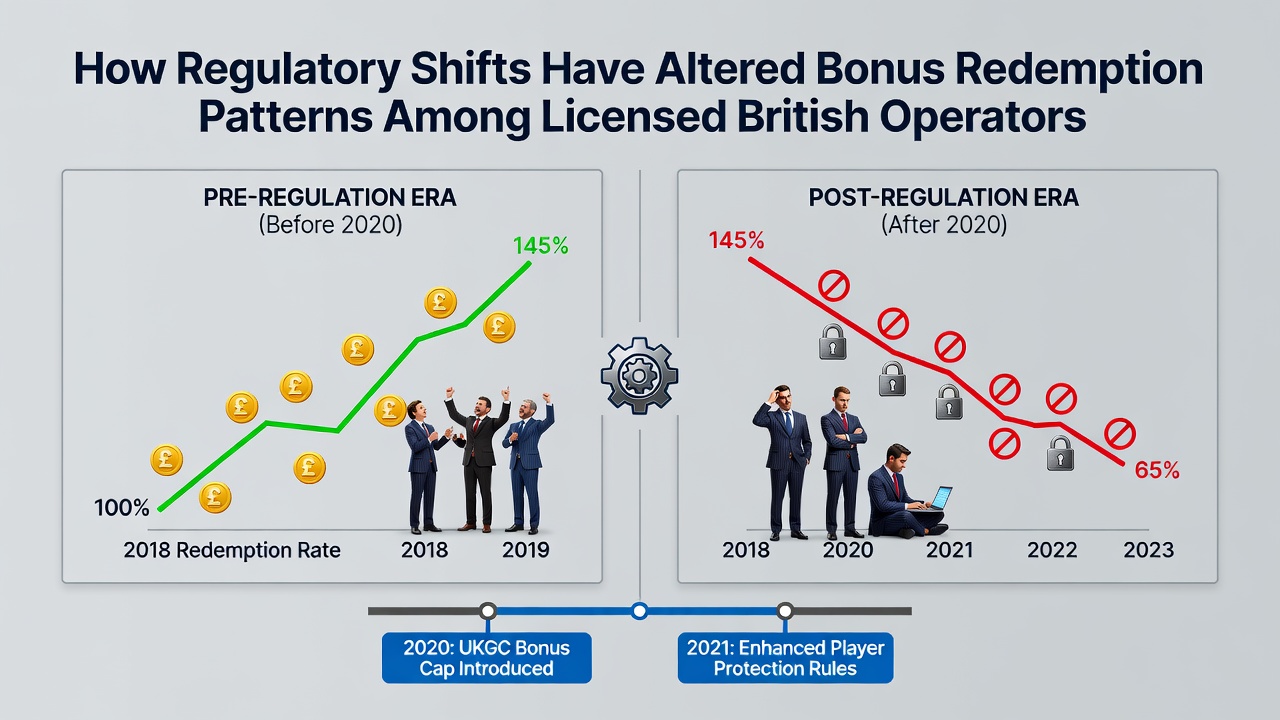
Operators responded by introducing loyalty-based rewards that unlock gradually, and research indicates this format better matches the new compliance environment. Those who studied redemption logs across several platforms found that players aged 25 to 34 showed the largest change in habits, opting for bonuses tied to ongoing play rather than sign-up incentives. Meanwhile, older demographics maintained more consistent patterns, though overall volume decreased across all groups.
Operator Adaptations and Compliance Strategies
Licensed British companies have invested in updated systems that automatically adjust bonus eligibility based on player risk profiles, and this technology has altered how quickly redemptions process. Reports from trade associations point to increased use of real-time monitoring tools that flag unusual activity, which in turn affects whether a bonus can be claimed at all. What's interesting is how these systems integrate with external data sources to verify accounts before any promotional funds become active.
Operators also revised partnership agreements with game providers to ensure bonus contributions from different titles meet updated standards, and this has narrowed the range of eligible games for many promotions. Data shows that slots with higher volatility saw reduced inclusion in bonus offers, whereas lower-volatility titles gained prominence because they align better with responsible play guidelines.
Industry Data and Comparative Insights
Comparative studies conducted by academic institutions in Canada and the EU have examined how similar regulatory environments affected bonus usage elsewhere, and British patterns mirror several of those outcomes. For instance, a research paper from the University of Toronto documented a 22 percent reduction in bonus-related deposits after affordability measures strengthened, and parallel British data reflects comparable movement. Industry organizations such as the European Gaming and Betting Association have compiled cross-border statistics that further illustrate how redemption frequency correlates with the strictness of verification rules.
These findings suggest that operators who diversified their promotional mix earlier experienced smoother transitions, and the ball remains in their court to continue refining offers ahead of the August 2026 updates. Patterns indicate that players now interact with bonuses in shorter, more controlled bursts rather than prolonged engagement cycles.
Conclusion
Regulatory shifts continue to influence bonus redemption patterns among licensed British operators through a combination of stricter terms, enhanced verification, and adjusted promotional structures. Evidence from multiple sources shows that these changes have produced measurable shifts in player behavior, with redemption favoring smaller, more frequent offers over large one-off claims. As further measures approach in August 2026, operators and analysts alike track how these evolving frameworks will shape future interactions within the market.